INTERIOR DESIGN
Designing a Residential Villa Interior System Through Conceptual Clarity
A conceptual framework that defines spatial identity before execution begins.
A structured approach to eliminate inconsistency between vision and built reality.
Residential | Concept Proposal | 2026
Project Overview
A conceptual residential villa project developed as a strategic proposal to demonstrate MoeBak’s interior design methodology at the early stages of project formation.
The scope focused on pre-execution design phases, where decisions define the long-term quality, coherence, and identity of the built environment.
Most residential interior projects begin with fragmented ideas.
Visual references replace structured thinking.
Design decisions are made in isolation.
Execution becomes reactive rather than controlled.
This leads to:
Inconsistent spatial identity
Misalignment between concept and execution
Material and aesthetic conflicts during fit-out
Loss of design intent on site
The failure does not occur during construction.
It begins before design is defined.
The project was approached as a spatial system, not a collection of rooms.
The objective was to establish clarity before any execution stage.
This included:
Defining a unified conceptual direction
Translating abstract ideas into structured visual language
Controlling material, tone, and spatial relationships
Creating a decision framework that guides all future stages
Every element was positioned to serve a single purpose:
Preserve design intent from concept to reality.
A complete conceptual interior design system was developed, covering all pre-fit-out stages:
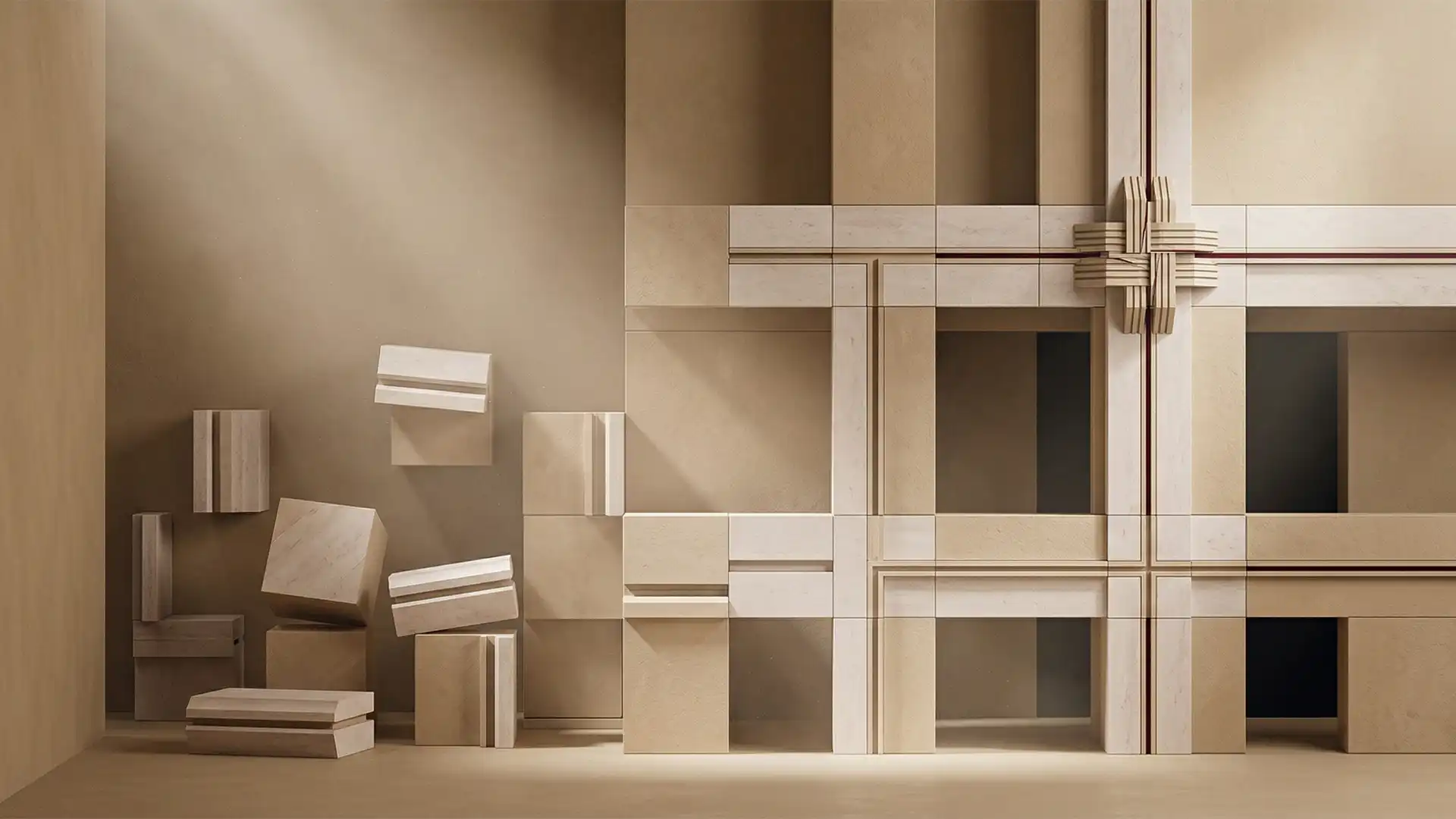
Mood boards defining materiality, tone, and atmosphere
Spatial concept development for key villa areas
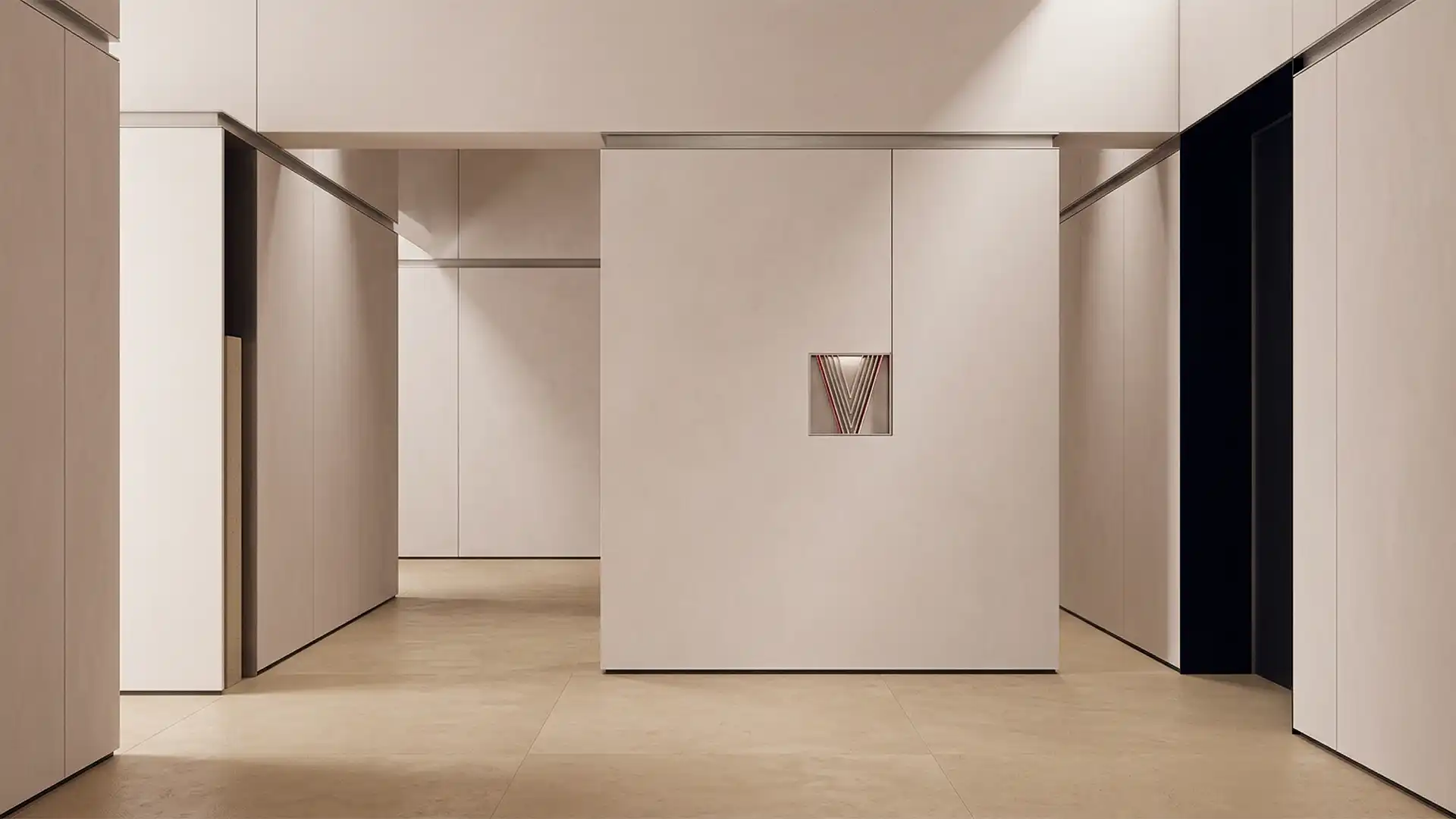
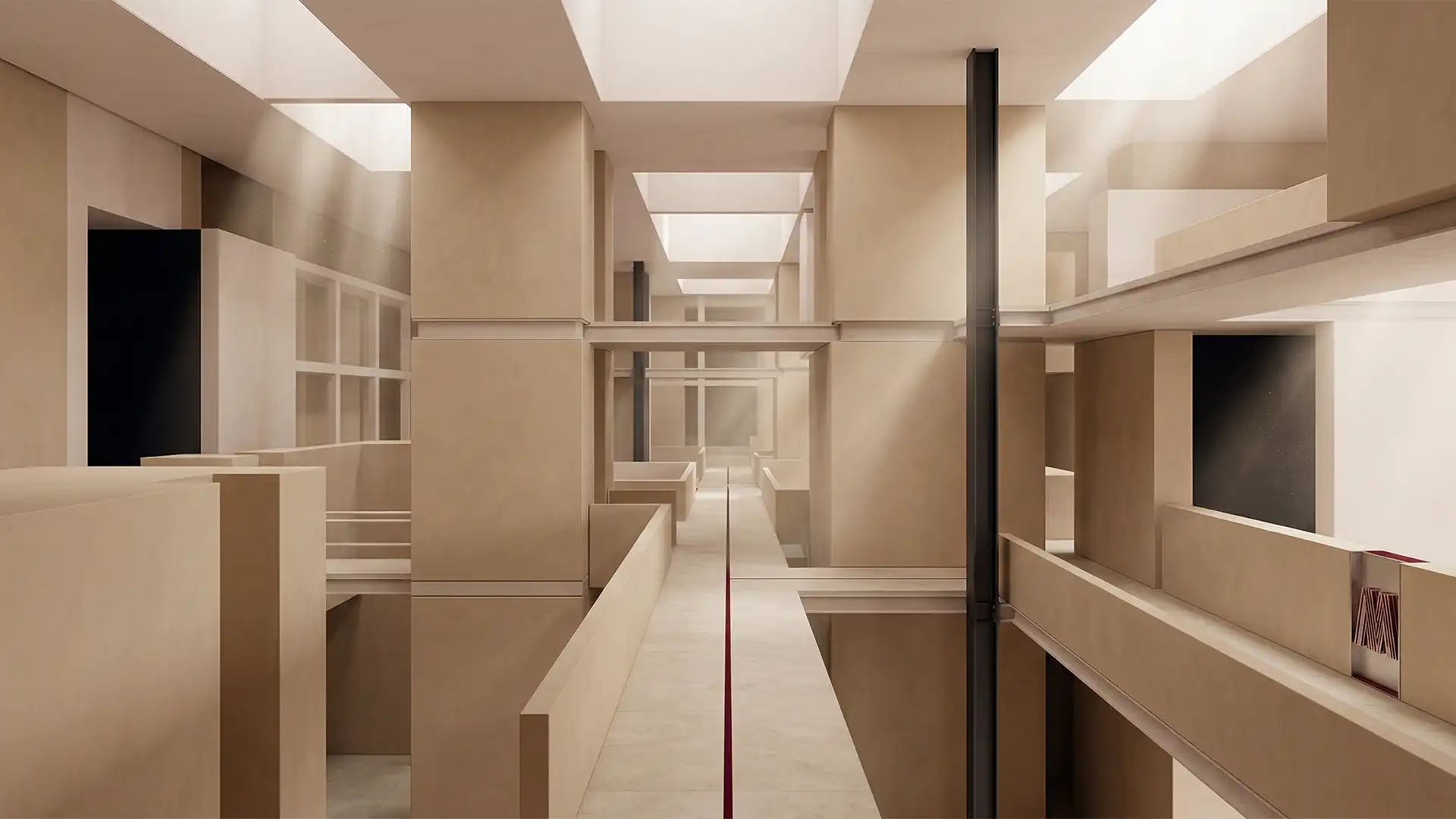
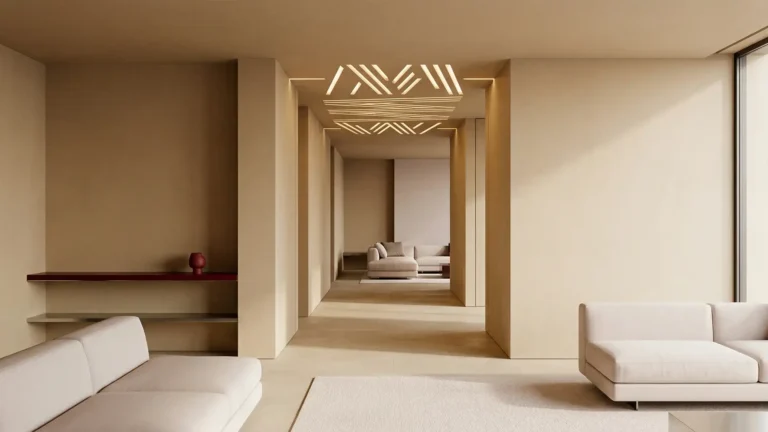
High-quality 3D visualizations to validate design direction
Design alignment documentation to guide execution
Supervision framework to ensure site implementation follows the defined concept
The system was designed to act as a reference point across all stakeholders, from client to contractor.
The result is a controlled design foundation that reduces uncertainty before execution.
Clear spatial identity established early
Consistency maintained across all design elements
Reduced risk of deviation during fit-out
Improved communication between design and execution teams
Strong alignment between vision and built outcome
The project demonstrates a core principle:
Interior design is not decoration.
It is the architecture of decisions before construction begins.